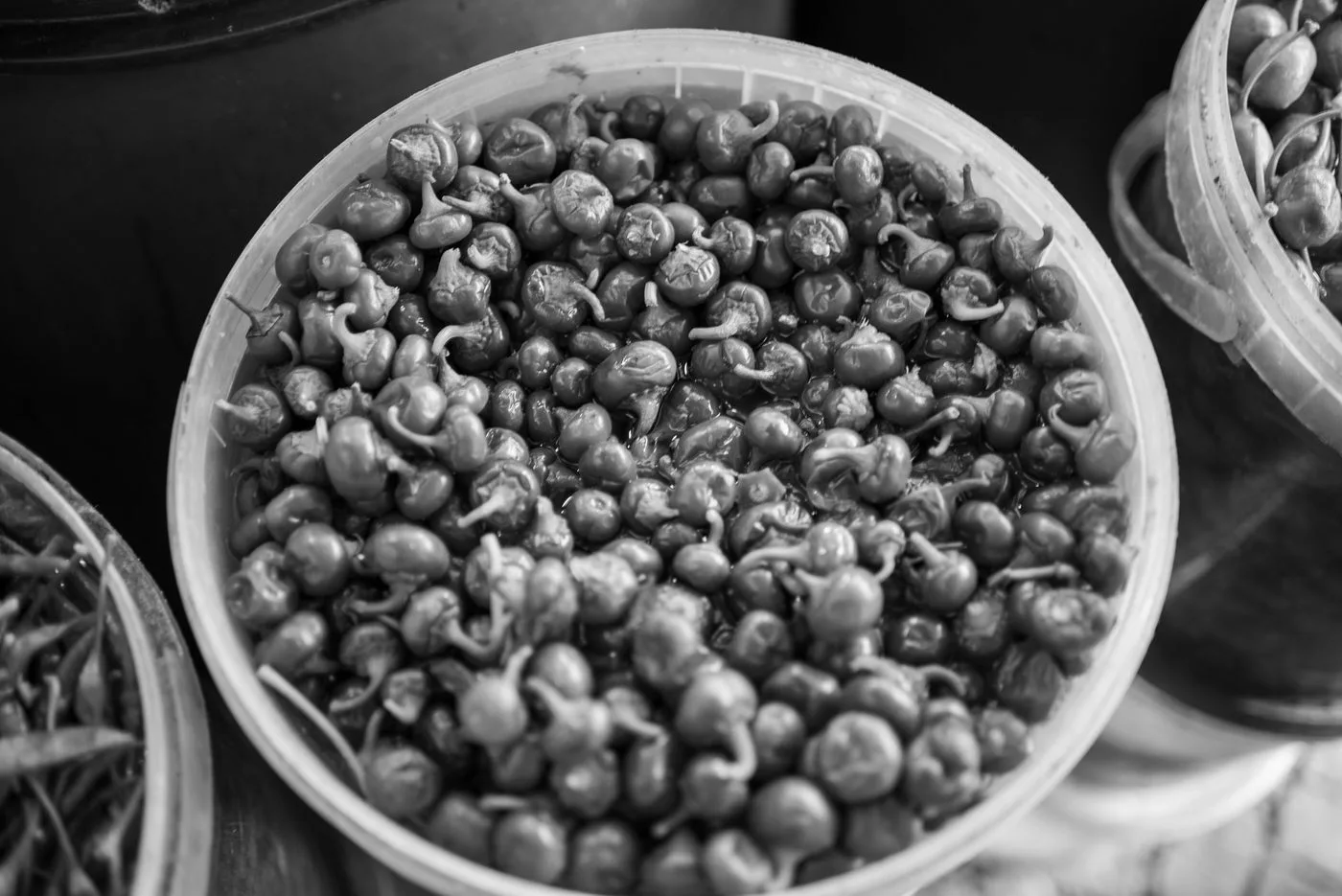
Casablanca - Atlantic Shadows and Contrasts
In this street photography series shot in Casablanca, I sought to capture the tension between the mineral whiteness of the facades and the organic vibration of the street. Between rising modernity and settling dust, there exists a unique visual space. Here, light is not a caress, it is a blade that cuts through architecture and bodies.
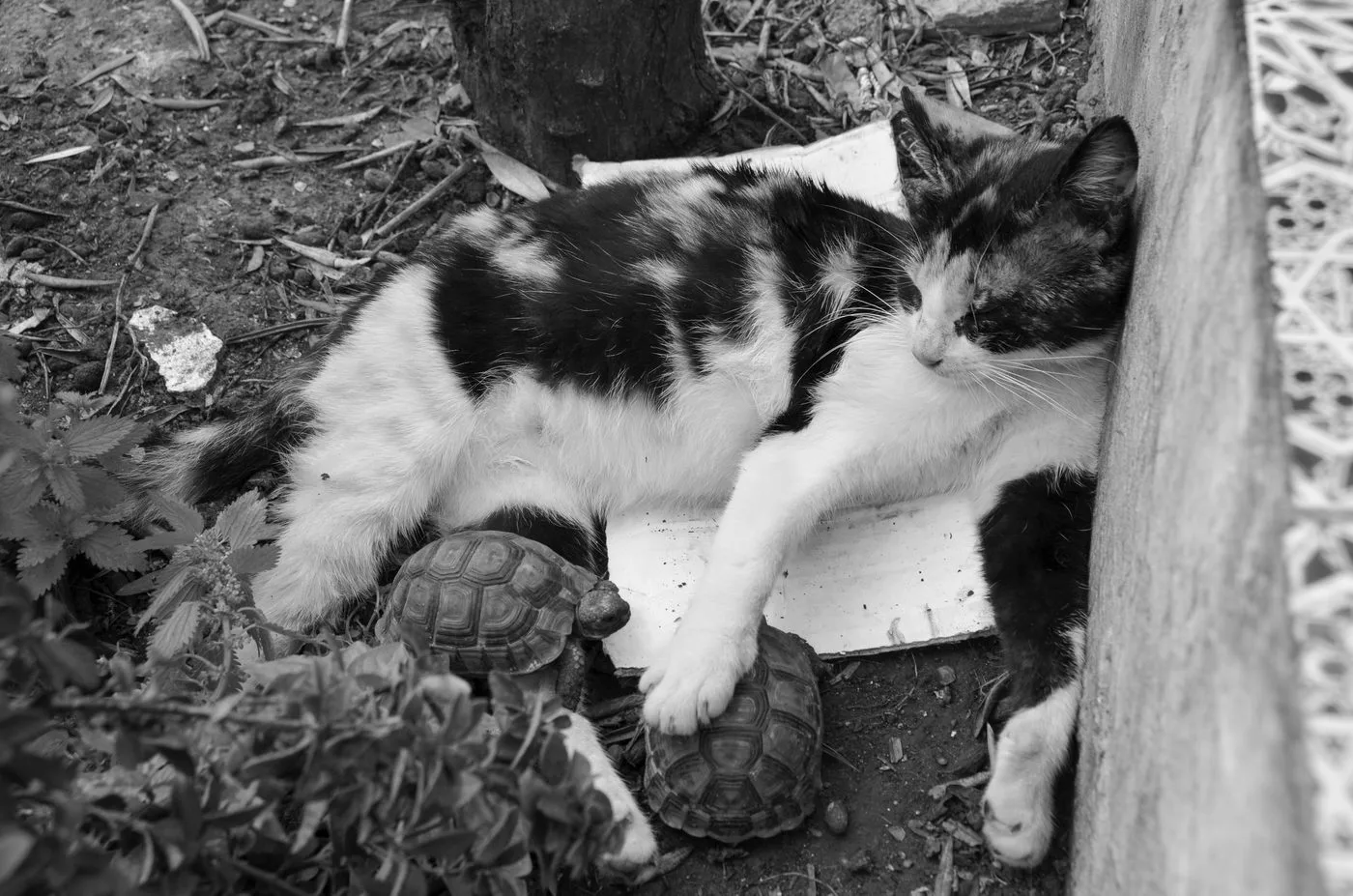
The geometry of chaos.
Casablanca organizes itself in an apparent disorder that has its own logic. The architectural lines, often authoritarian, are fractured by everyday use. I photographed these structures as urban skeletons inhabited by fleeting silhouettes. Bodies here do not assert themselves, they let the space pass through them.
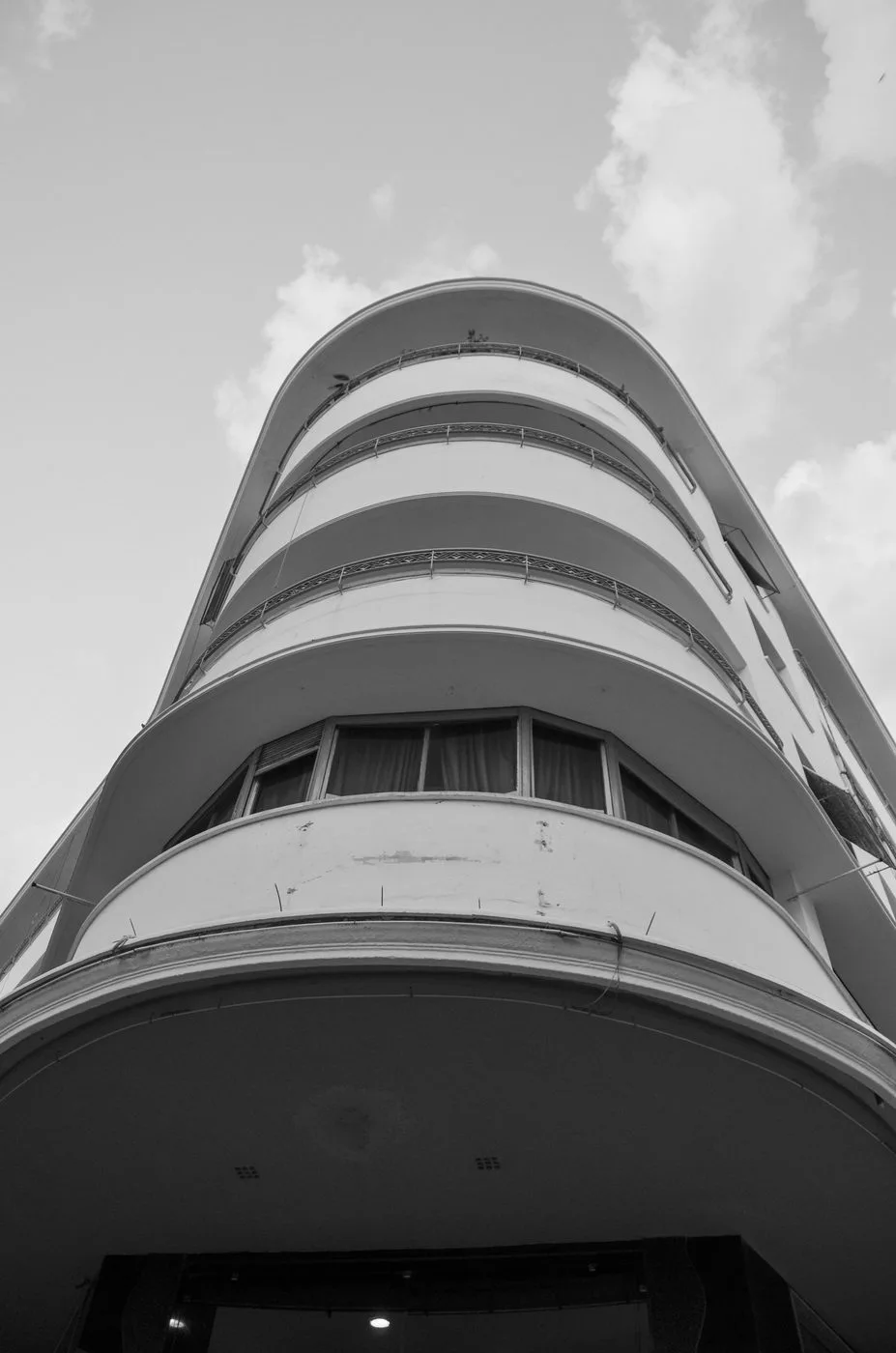
Matter and temperature.
Casablanca is photographed through immersion. There is something thick in the air, a heat that radiates from the cracked walls. Every passage creates a violent contrast between saving shade and scorching sun. My images were born from this permanent visual conflict, seeking to convey the temperature of a place more than its scenery.
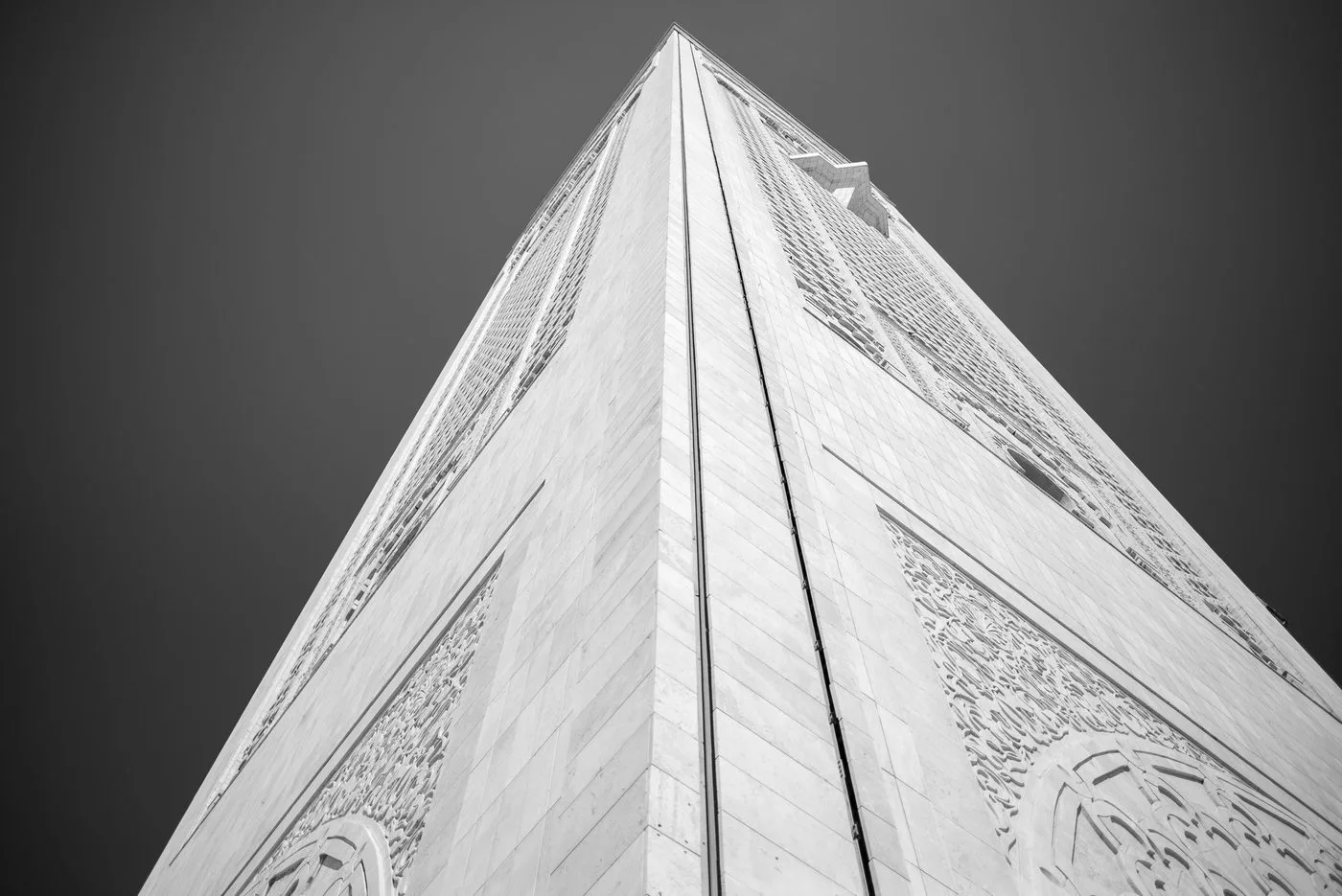
The lighthouse keeper.
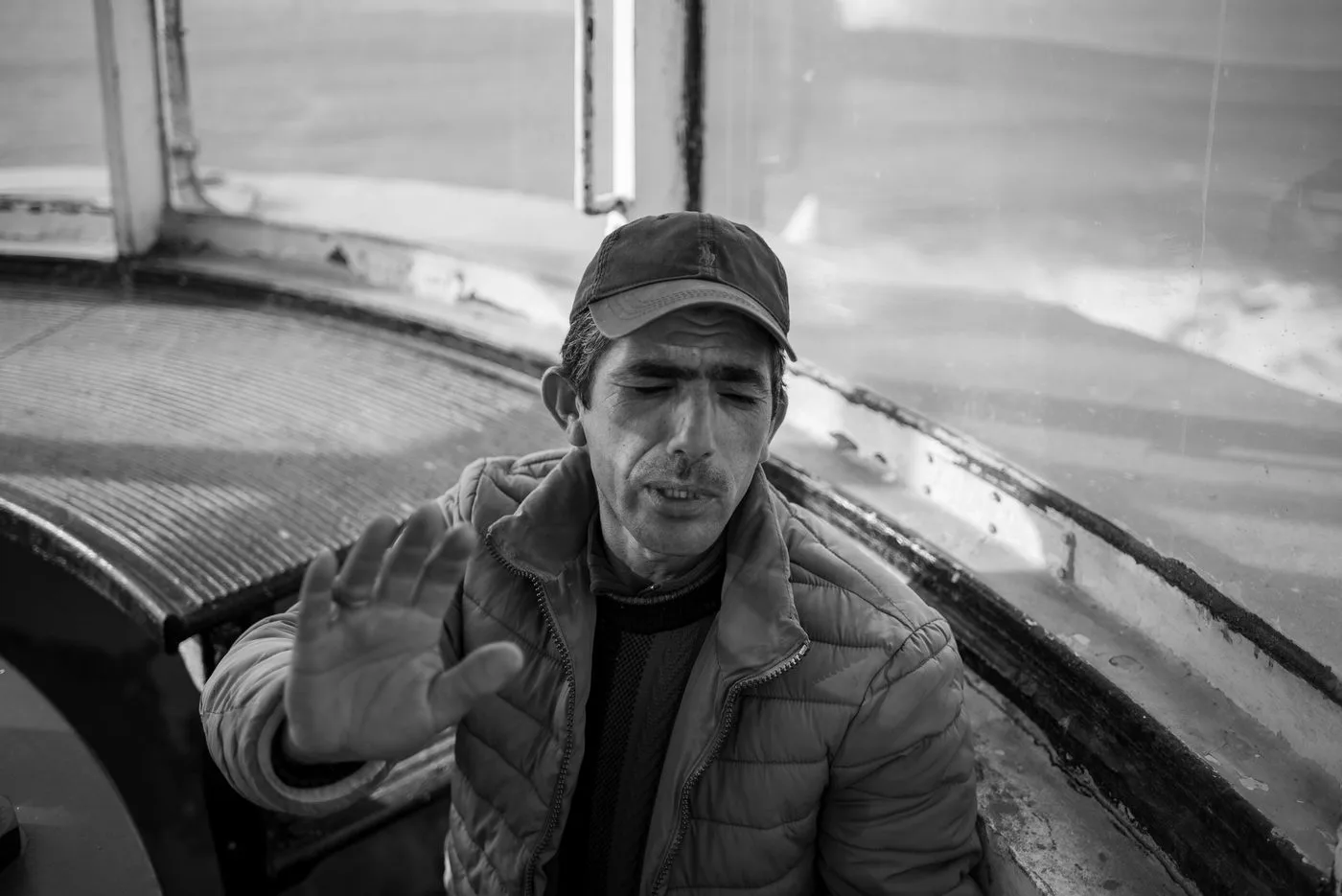
At the far end of the corniche, the El Hank lighthouse pulls away from the city's clamor. I climbed the spiral staircase to the lantern room, where the concentric rings of the Fresnel lens multiply a single bulb into a geometric halo. The keeper greeted me with a raised hand, almost a warning, before turning back to his watch over the waves hammering the breakwater. From up there the city flattens into a map: flat roofs, a minaret, and shantytowns lined up to the horizon. It is a functional kind of solitude, kept with the same rigor as the light it casts every night. This isolated post tells another Casablanca, one that faces the sea rather than the street.
A city you touch.
This series is tactile. It does not seek to narrate Casablanca, but to convey its physical impact. It is a city that is photographed the way one touches a hot surface: with careful attention.